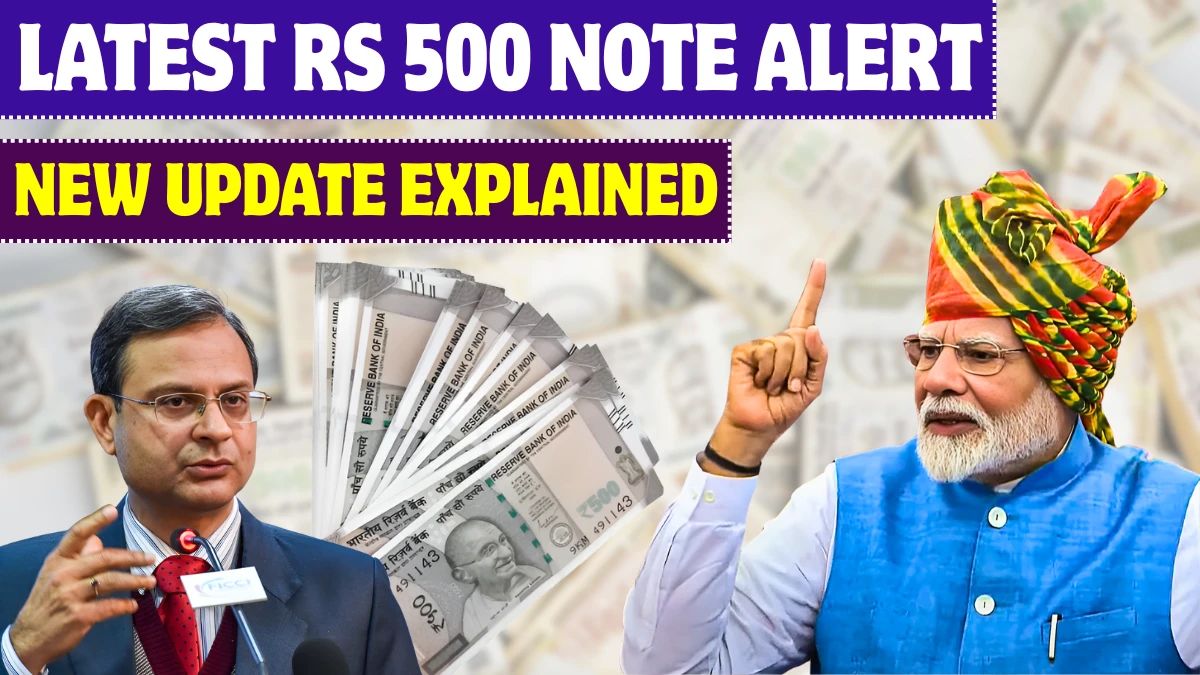
The Rs 500 currency note is one of the most used and recognized notes in India. It plays a key role in everyday transactions, from markets to major purchases. Recently, the government released an important update related to this note, and it’s something that every Indian should be aware of. Let’s break it down in simple terms so you can understand what’s happening and what actions you may need to take.
A Quick Look at the Rs 500 Note
The Rs 500 note has gone through several changes over the years. Its most significant redesign came in 2016, when the government introduced a new version with better security features during demonetization. This new note featured the iconic Red Fort and added several elements to fight counterfeit currency.
What’s the Latest Update?
Recently, the government and the Reserve Bank of India (RBI) issued a new alert regarding the Rs 500 note. This alert warns people about fake currency that’s being circulated in some areas. In response, the RBI has reminded the public that only Rs 500 notes issued after 2016 are considered valid. Older versions are being slowly phased out and will not be accepted after a certain deadline (to be officially announced soon).
This move is part of the government’s effort to ensure only secure and easily verifiable notes are in circulation.
Why This Update Matters
Fake currency not only causes problems for individual people, but it also damages the overall economy. It can be used for illegal activities and hurts businesses and citizens alike. By removing old and fake notes, the government hopes to protect the financial system and ensure that people feel confident using cash.
How to Check if a Rs 500 Note is Real
To help the public spot fake notes, the RBI has listed key security features on the valid Rs 500 note:
- A portrait of Mahatma Gandhi is visible when held against light.
- A color-shifting security thread runs vertically through the note.
- The number “500” changes color from green to blue when tilted.
- Tiny letters reading “RBI” and “500” appear near Gandhi’s portrait.
- Raised printing and the Ashoka Pillar emblem can be felt by touch.
- The Red Fort is printed on the back clearly.
Being familiar with these features will help you avoid getting scammed.
What to Do with Old Rs 500 Notes
If you have old Rs 500 notes (from before 2016), don’t worry. You will still have time to exchange them at authorized banks before the government’s final deadline. No penalties will be applied during the official exchange period. Just make sure you visit a bank in time and follow the instructions properly.
Bigger Picture: Promoting a Safer Economy
This update is not just about currency. It’s also part of a bigger push to modernize India’s financial system and encourage digital payments. As fewer people rely on physical cash, and more move to UPI, cards, and wallets, the economy becomes safer, faster, and more transparent.
The Rs 500 note update is a reminder that staying informed is essential in today’s fast-changing world. Check your notes, spread awareness among family and friends, and if you hold older notes, get them exchanged as soon as official instructions are shared. Small steps like these help protect you and strengthen the entire economy.